For many years, remote work was considered a workplace perk rather than a standard way of doing business. While some organizations embraced flexible working arrangements, most employees still spent their workdays in traditional offices. Face-to-face meetings, fixed schedules, and daily commutes were widely accepted as essential parts of professional life.
Then, almost overnight, the world changed.
A global crisis forced organizations across industries to rethink how work could continue when offices closed and employees could no longer gather in the same physical space. Businesses rapidly adopted digital tools, redesigned workflows, and discovered new ways to collaborate across cities, countries, and time zones.
What began as an emergency response soon evolved into one of the most significant workplace transformations in modern history.
Today, remote work is no longer viewed as a temporary solution. It has become a catalyst for broader conversations about flexibility, technology, leadership, employee well-being, and the future of work itself.
The Workplace Before the Remote Work Revolution
Before remote work became widespread, many organizations operated under the assumption that productivity depended on physical presence.
Traditional workplaces were built around:
- Fixed office hours
- In-person meetings
- Assigned workspaces
- Daily commuting
- Direct supervision
While these models worked for many businesses, they also created limitations.
Employees often spent significant time commuting, balancing personal responsibilities with rigid schedules, and attending meetings that could have been handled more efficiently.
Technology already existed to support remote collaboration, but many organizations were slow to adopt it because existing workplace habits were deeply established.
A Global Crisis Accelerated Years of Change
The sudden need for remote work compressed what might have been years of gradual digital transformation into a matter of weeks.
Organizations quickly adapted by:
- Moving employees to home offices
- Implementing cloud-based systems
- Expanding digital communication
- Adopting online collaboration platforms
- Digitizing paper-based processes
Businesses that had previously resisted flexible work models discovered that many roles could be performed successfully outside the traditional office.
This rapid transformation challenged long-held beliefs about how work should be organized.
Technology Became the New Workplace
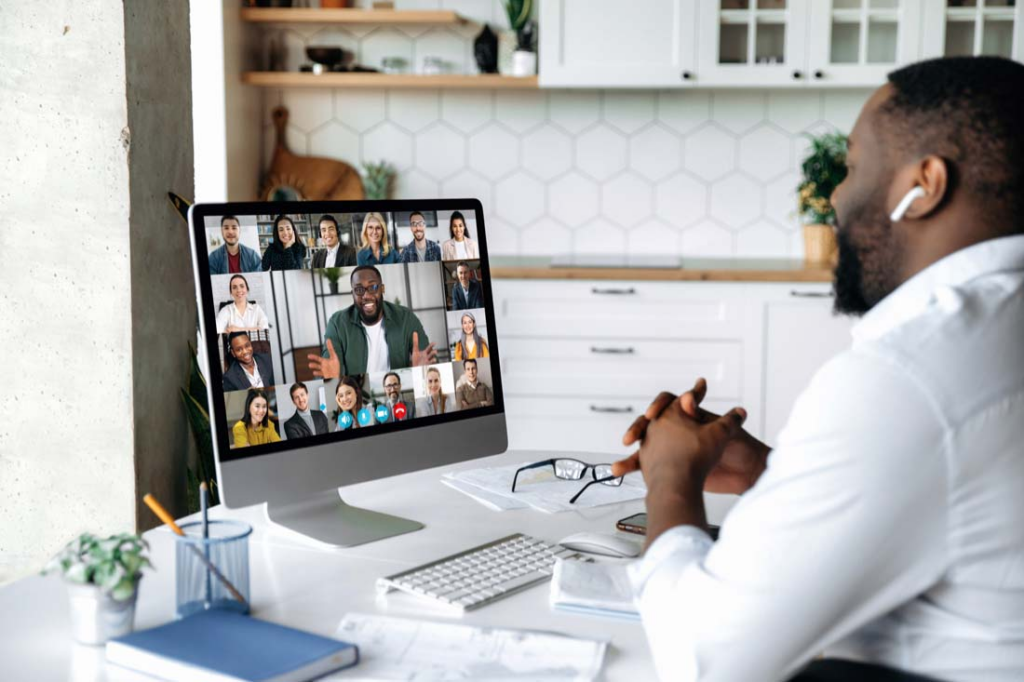
One of the biggest lessons from the remote work revolution was that the workplace is no longer defined by a physical location.
Instead, technology became the foundation of daily operations.
Digital tools enabled teams to:
- Hold virtual meetings
- Share documents instantly
- Manage projects collaboratively
- Communicate across departments
- Access business systems from anywhere
Cloud computing, video conferencing, messaging platforms, and digital workflow tools allowed organizations to remain connected despite physical distance.
Technology shifted from supporting work to becoming the workplace itself.
Redefining Productivity
Perhaps the most important change during the remote work revolution was the way organizations measured productivity.
In traditional offices, productivity was often associated with visibility.
Managers could observe:
- Employee attendance
- Time spent at desks
- Office activity
- Working hours
Remote work made these measurements less meaningful.
Instead, businesses increasingly focused on:
- Project completion
- Quality of work
- Business outcomes
- Customer satisfaction
- Team collaboration
This shift encouraged organizations to measure results rather than physical presence.
For many businesses, it represented a significant cultural change.
Flexibility Became a Competitive Advantage
As employees experienced greater flexibility, workplace expectations began to evolve.
Many professionals discovered benefits such as:
- Reduced commuting time
- Greater schedule flexibility
- Improved work-life integration
- More control over their work environment
Businesses also recognized advantages.
Flexible work arrangements helped organizations:
- Expand access to talent
- Improve employee satisfaction
- Reduce office costs
- Support business continuity
- Increase organizational resilience
Flexibility became more than an employee benefit—it became an important business strategy.
The Rise of Hybrid Work
As offices reopened, many organizations chose not to return entirely to pre-existing workplace models.
Instead, hybrid work emerged as a practical solution.
Hybrid workplaces combine remote and in-office work in ways that support both business goals and employee needs.
Common hybrid approaches include:
- Scheduled office collaboration days
- Flexible remote work options
- Team-based attendance planning
- Location-independent roles
Rather than asking where employees should work, organizations began asking which environment best supports different types of work.
Focused tasks, creative collaboration, customer meetings, and team discussions may each benefit from different settings.
The Human Side of Remote Work
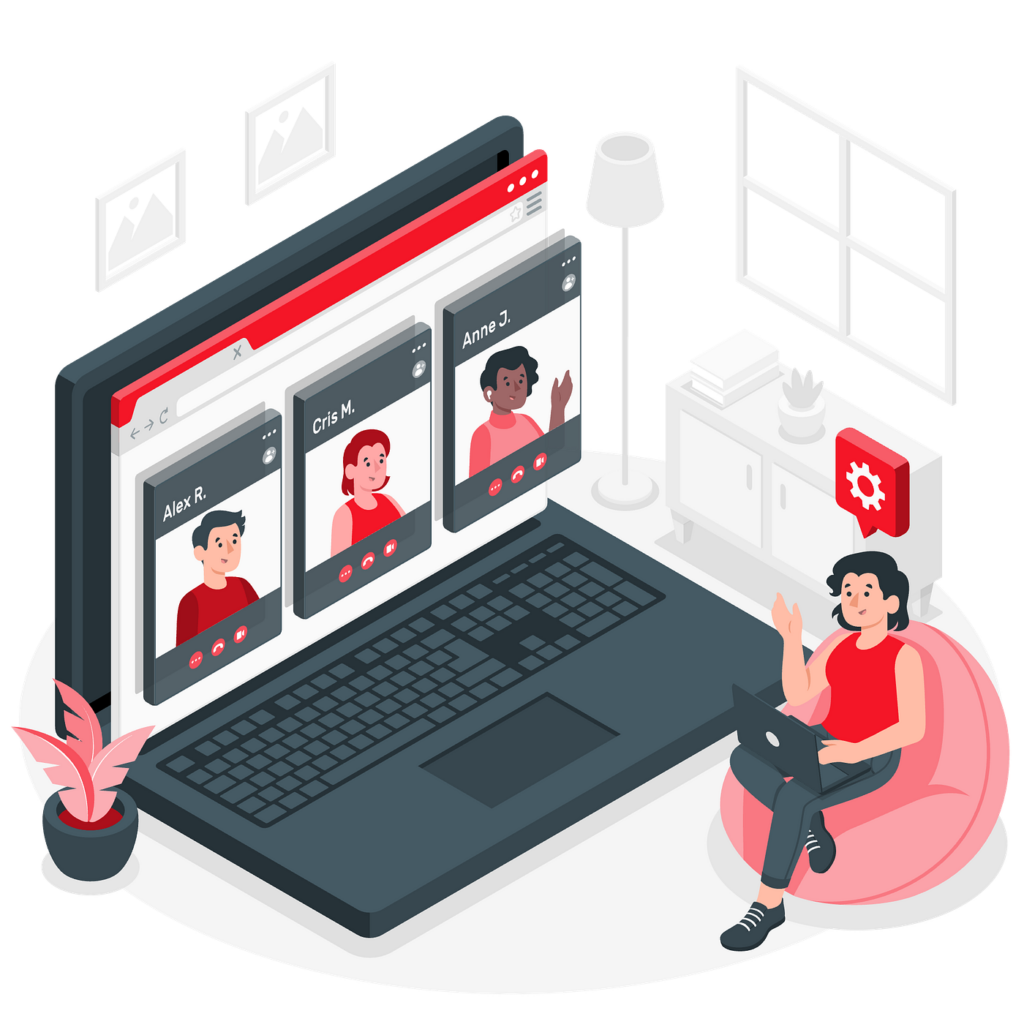
While remote work created new opportunities, it also introduced new challenges.
Employees experienced issues such as:
- Social isolation
- Digital fatigue
- Blurred work-life boundaries
- Communication difficulties
- Reduced informal collaboration
These challenges highlighted the importance of workplace culture.
Organizations realized that maintaining employee engagement required more than providing laptops and video conferencing software.
Human connection remained essential.
Businesses began placing greater emphasis on:
- Regular check-ins
- Virtual team-building activities
- Mental health support
- Clear communication
- Leadership accessibility
Technology enabled work, but relationships continued to drive successful teams.
Leadership in the Age of Remote Work
The remote work revolution also transformed leadership.
Traditional management approaches based on direct observation became less effective in distributed environments.
Modern leaders increasingly focus on:
Building Trust
Successful remote teams depend on mutual trust rather than constant supervision.
Employees who are trusted often demonstrate greater ownership, accountability, and initiative.
Communicating Clearly
Without casual office conversations, intentional communication becomes essential.
Effective leaders provide:
- Clear expectations
- Regular updates
- Transparent decision-making
- Opportunities for feedback
Strong communication reduces uncertainty and helps remote teams stay aligned.
Supporting Employee Well-Being
Leaders increasingly recognize that sustainable performance depends on employee well-being.
Supporting healthy workloads, encouraging breaks, and respecting personal boundaries have become important aspects of modern leadership.
Digital Collaboration Is the New Normal
The rapid adoption of digital collaboration tools permanently changed how teams work together.
Today’s workplaces often rely on:
- Shared digital workspaces
- Real-time document collaboration
- Project management platforms
- Instant messaging
- Video conferencing
These tools enable organizations to collaborate across departments, countries, and time zones with greater efficiency than ever before.
Digital collaboration is no longer reserved for remote teams. It has become a standard part of modern business operations.
New Employee Expectations
The remote work revolution has reshaped what many employees expect from their employers.
Today’s workforce increasingly values:
- Flexible work arrangements
- Meaningful work
- Trust-based leadership
- Professional development
- Work-life balance
- Inclusive workplace culture
Many professionals now evaluate employers not only by salary and benefits but also by the overall employee experience.
Organizations that adapt to these changing expectations may be better positioned to attract and retain talented employees.
The Future of Work Is About Choice
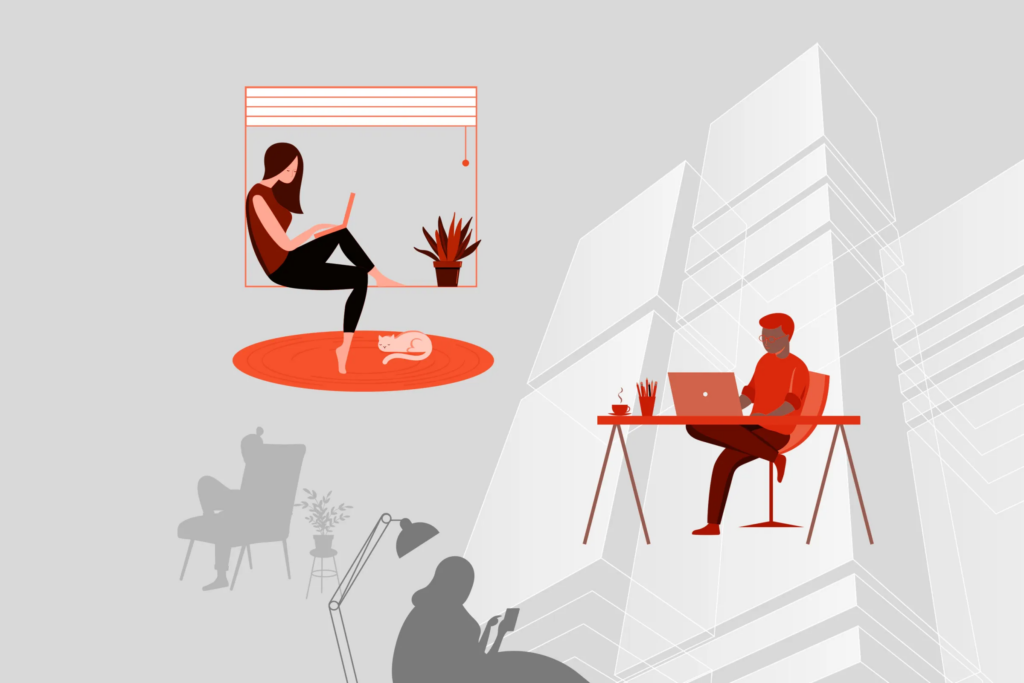
The future of work is unlikely to be defined by a single model.
Some organizations will continue operating primarily from offices, while others will remain fully remote or adopt hybrid approaches.
The most successful businesses will focus on creating flexibility that supports both organizational objectives and employee needs.
Rather than asking employees to fit one universal way of working, organizations are increasingly designing work around outcomes, collaboration, and well-being.
Technology will continue enabling this flexibility, but people will remain at the center of workplace success.
Lessons From the Remote Work Revolution
The global shift toward remote work demonstrated that organizations can adapt more quickly than many believed possible.
It also showed that productivity is not determined solely by location. Strong leadership, effective communication, thoughtful technology, and a supportive workplace culture are equally important.
Businesses learned valuable lessons about resilience, digital transformation, and the importance of investing in people alongside technology.
A New Era of Employment
The remote work revolution did more than change where people work—it transformed how organizations think about work itself.
Flexibility, digital collaboration, employee well-being, and trust have become defining characteristics of the modern workplace. Companies are increasingly recognizing that sustainable success depends on creating environments where people can contribute their best, regardless of location.
As technology continues to evolve and workforce expectations continue to change, the future of employment will be shaped not by returning to old models, but by building workplaces that combine innovation with humanity.
The organizations that thrive in the years ahead will be those that embrace flexibility, empower their people, and recognize that the future of work is not about choosing between business success and employee well-being—it is about designing workplaces where both can flourish together.