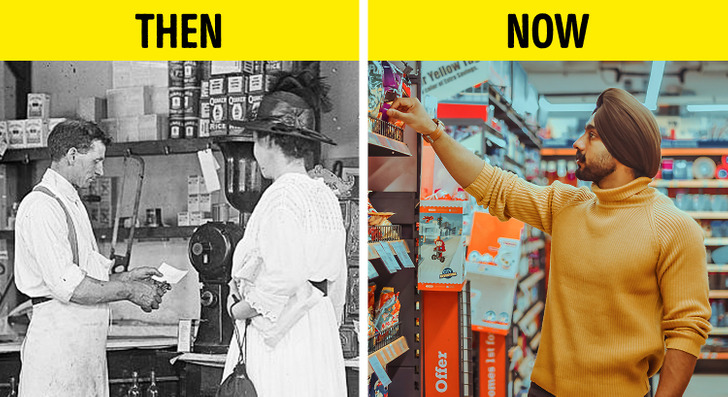
The way we work has never been static. Over the past century, workplaces have transformed from factory floors built around efficiency and standardization to flexible, technology-enabled environments designed to support innovation, collaboration, and employee well-being.
Every generation has experienced its own workplace revolution. Industrial manufacturing reshaped production, computers digitized business operations, the internet connected global teams, and cloud technology made remote work possible. Today, organizations are entering another era—one that places people at the center of workplace design.
The future of work is no longer defined solely by productivity or profit. Increasingly, it is about creating workplaces where technology, business success, and human well-being grow together.
Understanding how work has evolved over the last 100 years provides valuable insight into where it is headed next.
The Industrial Era: Work Built Around Efficiency
At the beginning of the 20th century, industrial production dominated much of the global economy. Manufacturing businesses sought ways to increase output while reducing costs, leading to major innovations in how work was organized.
One of the most influential figures of this period was Henry Ford, whose introduction of the moving assembly line transformed manufacturing. Instead of skilled workers building entire products, production was divided into smaller, repeatable tasks.
This approach dramatically increased efficiency by:
- Standardizing processes
- Reducing production time
- Lowering manufacturing costs
- Making products more accessible
The workplace reflected the priorities of the era. Success was measured through consistency, speed, and productivity.
Employees were expected to follow structured procedures, while management focused on improving operational efficiency.
The Rise of Office Work
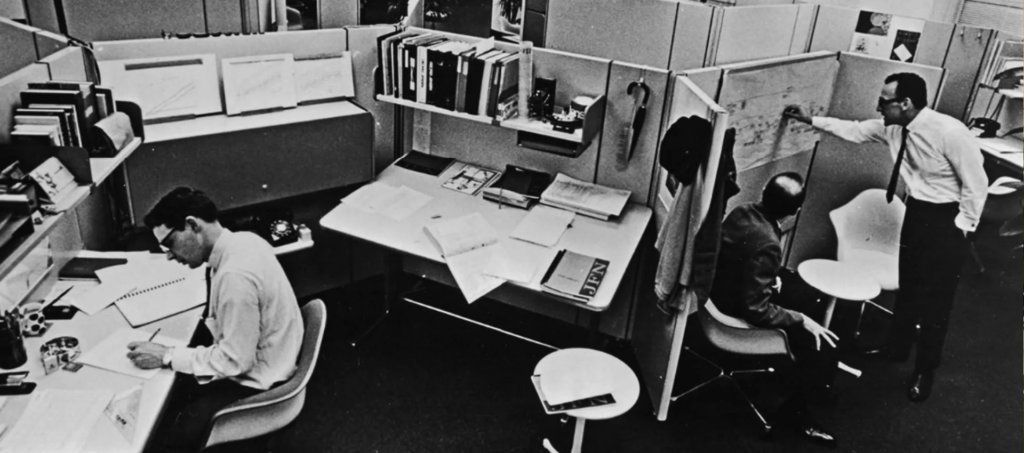
As economies expanded throughout the mid-20th century, many businesses shifted from manufacturing toward administration, finance, professional services, and knowledge-based industries.
The traditional office became the new workplace.
Employees spent their days:
- Working at assigned desks
- Managing paperwork
- Attending scheduled meetings
- Communicating through telephone and written correspondence
Although work environments changed, many management practices remained similar to industrial models.
Success was still often measured by:
- Attendance
- Working hours
- Following established procedures
- Organizational hierarchy
Physical presence in the office became closely associated with productivity.
The Digital Revolution Changed Everything
The introduction of personal computers fundamentally transformed how businesses operated.
Tasks that once required paper files, filing cabinets, and manual calculations became digital.
Organizations adopted technology for:
- Word processing
- Accounting
- Customer management
- Data storage
- Internal communication
Businesses became faster and more efficient, while employees gained access to tools that simplified many routine tasks.
As the internet expanded during the 1990s and early 2000s, workplaces became increasingly connected.
Email replaced much of traditional correspondence, digital collaboration became easier, and businesses could communicate across countries almost instantly.
Technology was no longer simply supporting work—it was becoming central to how work happened.
The Shift From Physical Labor to Knowledge Work
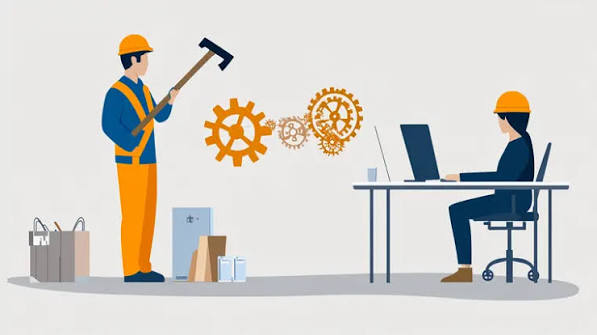
Over time, many organizations moved from producing physical goods to creating knowledge, services, software, and digital experiences.
This changed what employers valued.
Instead of repetitive manual tasks, businesses increasingly relied on:
- Creativity
- Problem-solving
- Innovation
- Communication
- Collaboration
Knowledge workers often needed greater flexibility to think, create, and adapt rather than simply follow predefined instructions.
As a result, workplace culture began to matter more.
Organizations realized that engaged employees often produced better ideas and stronger business outcomes.
The Global Workplace Emerges
Advances in communication technology removed many geographic barriers.
Businesses could now:
- Hire international talent
- Build distributed teams
- Serve customers worldwide
- Collaborate across time zones
Cloud computing, video conferencing, and shared digital workspaces made global collaboration practical for organizations of every size.
The workplace was no longer limited to one building or one city.
Work became something people could do from many different locations.
The Pandemic Accelerated Workplace Transformation
Although remote work had been growing for years, global events in the early 2020s accelerated workplace change at an unprecedented pace.
Organizations quickly adopted digital collaboration tools and restructured operations to support employees working from home.
Many businesses discovered that productivity could be maintained outside the traditional office.
At the same time, new challenges became clear.
Leaders had to consider:
- Employee well-being
- Communication across distributed teams
- Work-life boundaries
- Digital collaboration
- Workplace culture without physical proximity
The conversation shifted beyond where work happens to how work should be designed.
The Rise of Hybrid Work
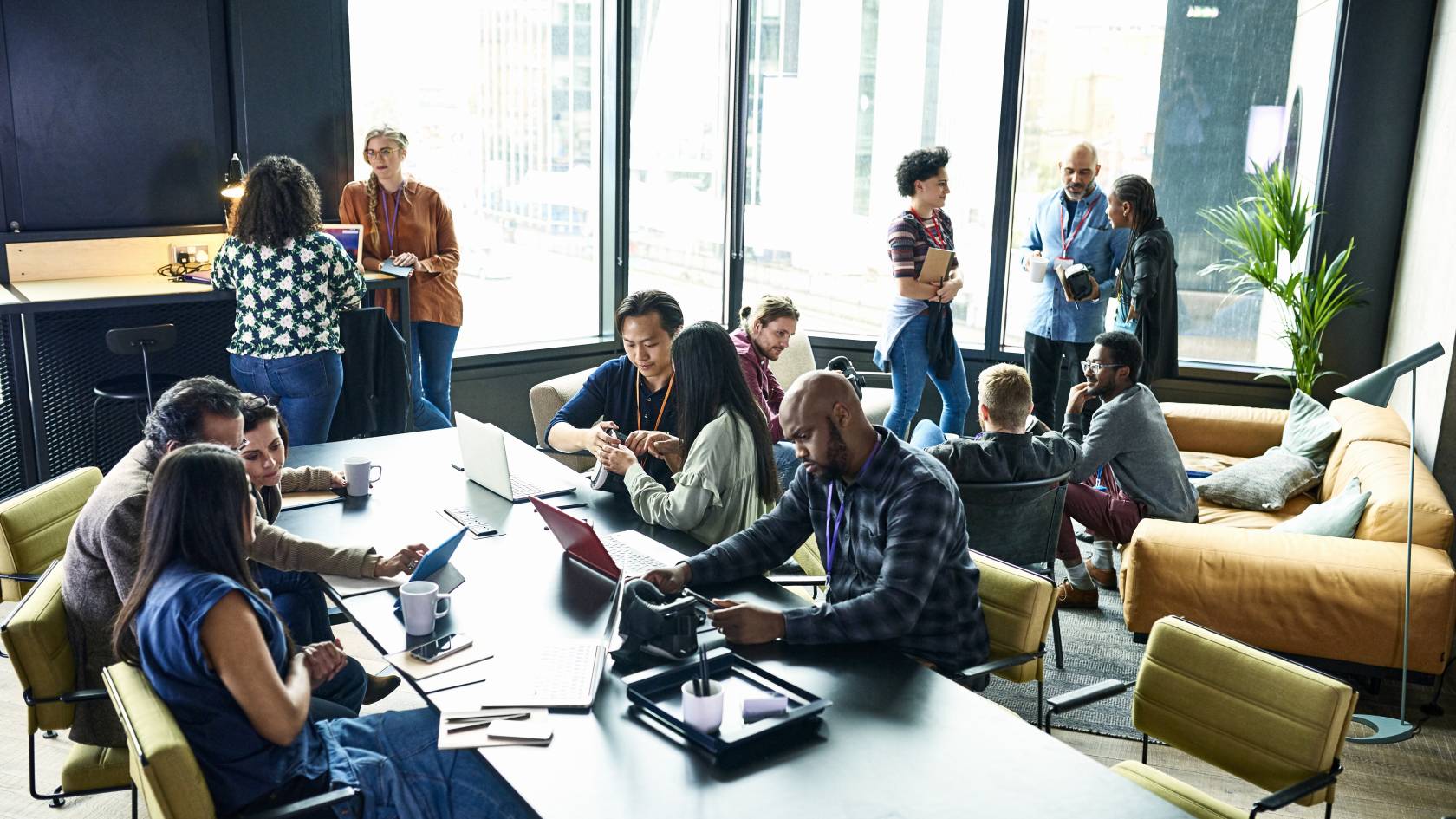
Today, many organizations have adopted hybrid work models that combine office and remote work.
Rather than choosing between two extremes, hybrid work gives businesses greater flexibility.
Common hybrid approaches include:
- Fixed office days
- Flexible remote schedules
- Team-based attendance
- Location-independent roles
The success of hybrid work depends less on location and more on creating effective systems.
Businesses are investing in:
- Better communication
- Digital collaboration tools
- Clear expectations
- Outcome-based performance management
The focus has shifted from monitoring attendance to enabling effective work.
The Human-Centered Workplace
Perhaps the biggest change over the past century is how organizations think about employees.
Earlier workplace models often viewed workers primarily as resources within a production system.
Modern organizations increasingly recognize employees as people with diverse needs, goals, and strengths.
Human-centered workplaces emphasize:
- Employee well-being
- Psychological safety
- Professional development
- Inclusive leadership
- Flexibility
- Meaningful work
Rather than asking employees to fit rigid workplace structures, businesses are redesigning work to better support people.
This change reflects growing evidence that healthy workplace cultures contribute to stronger business performance.
Technology as an Enabler, Not a Replacement
Artificial intelligence, automation, and digital platforms continue transforming the workplace.
However, the role of technology is evolving.
Instead of replacing people entirely, many organizations are using technology to:
- Automate repetitive tasks
- Improve collaboration
- Reduce administrative work
- Support better decision-making
- Free employees to focus on creative and strategic work
The most successful businesses understand that technology creates the greatest value when it enhances human capabilities rather than replacing human judgment.
The future of work is likely to depend on finding the right balance between automation and human expertise.
Leadership Has Evolved Alongside Work
Management styles have also changed dramatically over the past century.
Traditional leadership often emphasized supervision, control, and hierarchy.
Modern leadership increasingly focuses on:
- Coaching instead of directing
- Building trust
- Encouraging collaboration
- Supporting employee growth
- Creating psychological safety
Today’s leaders are expected not only to deliver business results but also to build environments where people can thrive.
Strong workplace culture has become a competitive advantage rather than simply an internal initiative.
Redefining Productivity
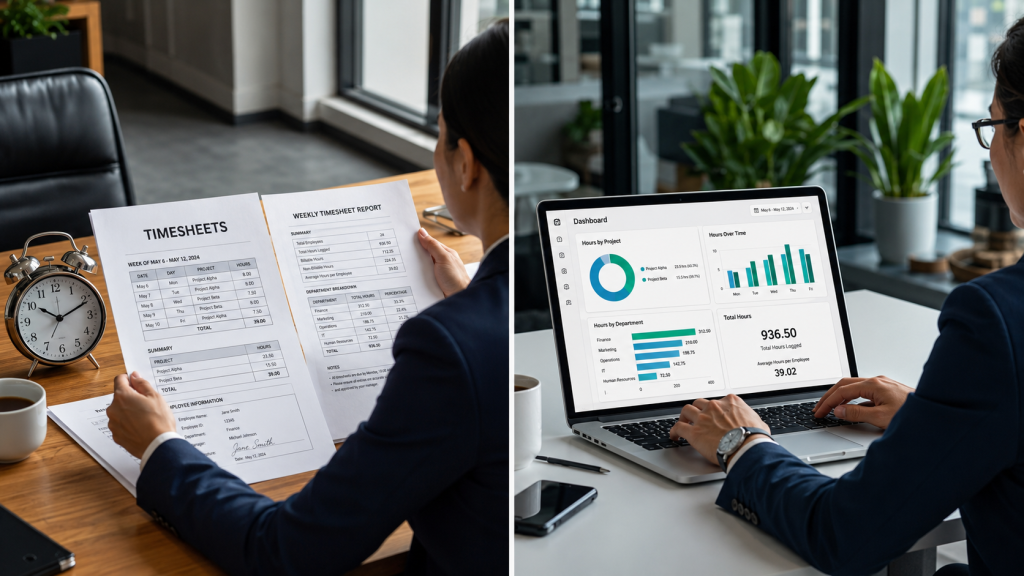
One of the most significant shifts in modern work is the changing definition of productivity.
For much of the last century, productivity was closely associated with:
- Hours worked
- Physical presence
- Output volume
Today’s organizations increasingly recognize that sustainable productivity depends on:
- Employee engagement
- Focused work
- Effective collaboration
- Smart use of technology
- Well-being
Working longer hours does not automatically produce better outcomes.
Instead, businesses are learning that healthier employees often contribute higher-quality work, stronger innovation, and better long-term performance.
What the Next Century of Work May Look Like
The evolution of work is far from over.
Emerging technologies, changing employee expectations, and global economic shifts will continue reshaping workplaces.
Future organizations are likely to place greater emphasis on:
- Flexible work environments
- Lifelong learning
- AI-assisted decision-making
- Personalized employee experiences
- Continuous skill development
- Sustainable workplace practices
Success will increasingly depend on how well organizations combine technology with human potential.
The Future of Work Is About People
From Henry Ford’s assembly lines to today’s hybrid workplaces, the meaning of work has changed dramatically over the past 100 years.
What began as a focus on industrial efficiency has evolved into a broader understanding that business success depends on people as much as processes. Technology has made work faster, more connected, and more flexible, but it has also highlighted the importance of trust, well-being, creativity, and meaningful collaboration.
The next chapter of work will not be defined by where employees work or how many hours they spend online. It will be defined by how effectively organizations create environments where people can contribute their best, continue learning, and build sustainable careers.
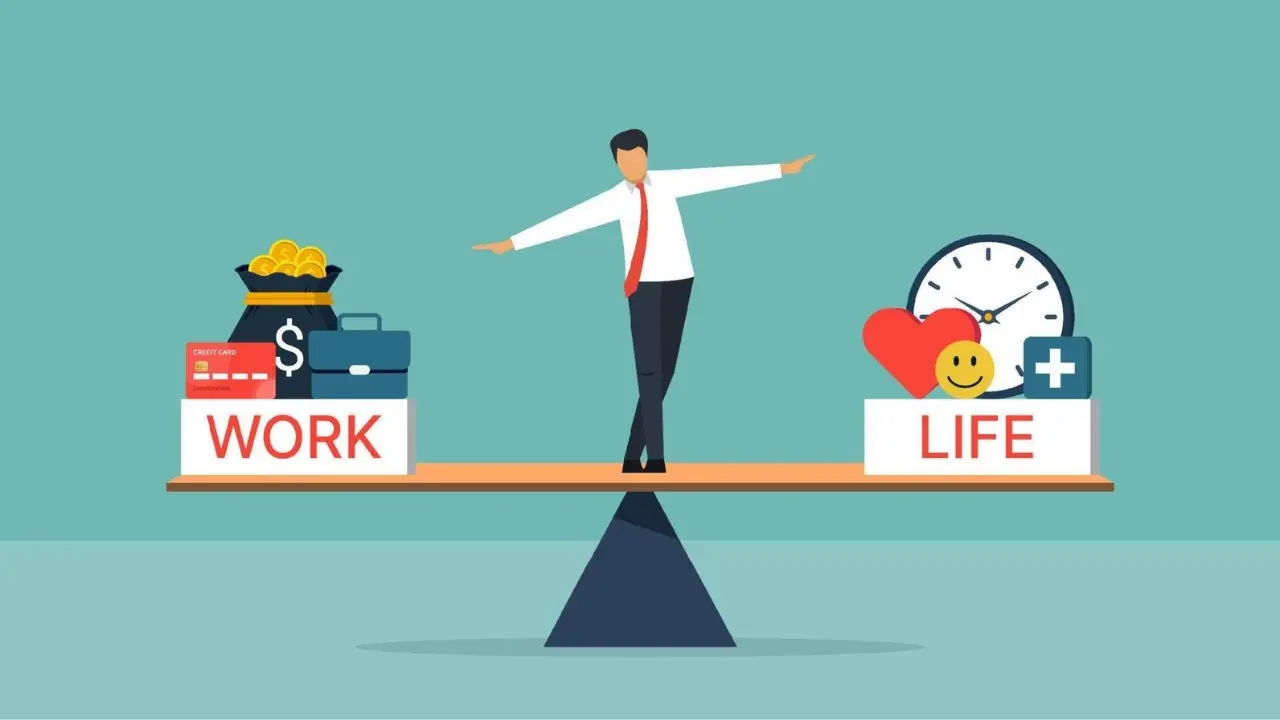
The future belongs to workplaces that recognize productivity and humanity are not opposing goals. When businesses invest in both, they create organizations that are more resilient, innovative, and prepared for whatever comes next.