For many years, business success was measured primarily by financial performance, operational efficiency, and growth. While these metrics remain important, a growing number of organizations have recognized another critical factor behind long-term success: the employee experience.
Around the world, companies are rethinking how work is designed. Instead of asking employees to simply adapt to workplace systems, they are building workplaces that support people’s needs, encourage collaboration, and create environments where individuals can do their best work.
This shift has given rise to the concept of the human-centered workplace—an approach that balances business performance with employee well-being, flexibility, trust, and meaningful work.
Organizations known for putting people first have demonstrated that investing in employees is not separate from achieving business success. In many cases, it is one of the strongest drivers of innovation, resilience, and sustainable growth.
What Is a Human-Centered Workplace?
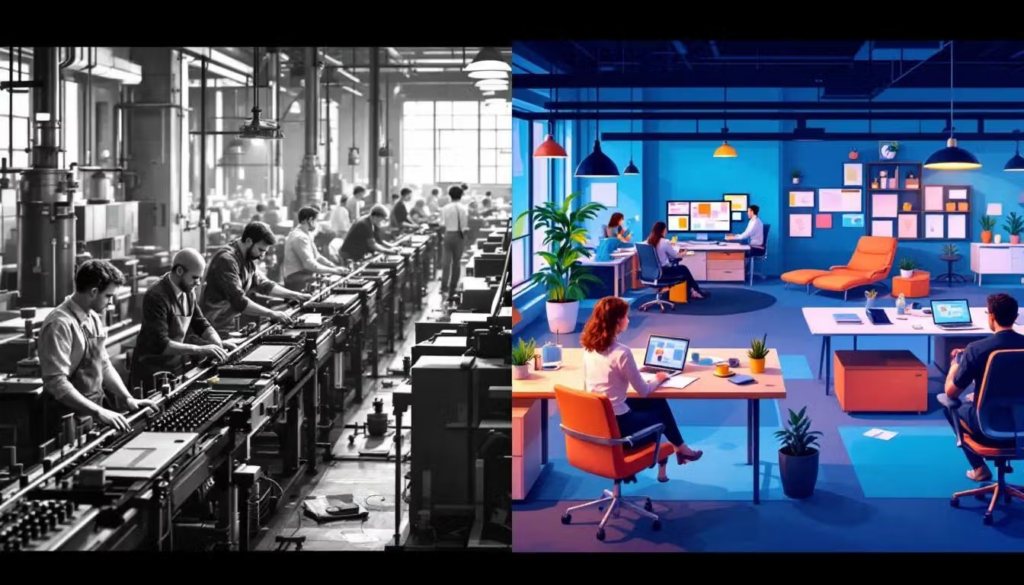
A human-centered workplace is built around the idea that people are an organization’s greatest asset. Rather than focusing only on productivity metrics or operational targets, these workplaces consider how policies, technology, leadership, and culture affect employees’ daily experiences.
Human-centered organizations typically prioritize:
- Employee well-being
- Psychological safety
- Flexibility
- Trust-based leadership
- Continuous learning
- Inclusive workplace culture
- Meaningful collaboration
The goal is not to remove challenges from work. Instead, it is to create an environment where employees feel supported, respected, and empowered to contribute their best ideas.
Why Employee Experience Has Become a Strategic Priority
Employee experience encompasses every interaction people have with their workplace—from onboarding and communication to leadership, professional development, and day-to-day collaboration.
Businesses increasingly recognize that a positive employee experience influences important outcomes such as:
- Higher engagement
- Better retention
- Improved customer service
- Stronger innovation
- Greater organizational resilience
When employees feel valued, they are more likely to remain committed to the organization’s mission and contribute beyond their basic responsibilities.
In competitive job markets, employee experience has also become an important differentiator for attracting and retaining talent.
Lessons From Organizations That Put People First
While every organization has its own culture and operating model, businesses recognized for strong workplace cultures often share several common principles.
They Build Cultures of Trust
Trust is one of the foundations of a human-centered workplace.
Instead of relying primarily on rigid supervision or constant monitoring, people-first organizations give employees ownership over their work while providing clear expectations and support.
Trust-based cultures often encourage:
- Greater autonomy
- Faster decision-making
- Higher accountability
- Stronger collaboration
When employees feel trusted, they are more likely to take initiative and contribute innovative ideas.
They Prioritize Flexibility Over Presence
The future of work has demonstrated that productivity is not always tied to a specific location or schedule.
Many organizations now offer flexibility through:
- Hybrid work arrangements
- Remote work opportunities
- Flexible working hours
- Results-focused performance management
Flexibility recognizes that employees have different working styles, responsibilities, and personal circumstances.
Rather than measuring success by hours spent at a desk, people-first organizations increasingly focus on outcomes and impact.
Psychological Safety: The Foundation of Innovation

One of the defining characteristics of high-performing workplaces is psychological safety.
Psychological safety exists when employees feel comfortable expressing ideas, asking questions, admitting mistakes, and sharing concerns without fear of embarrassment or unfair consequences.
Workplaces that encourage psychological safety often experience:
- More open communication
- Better teamwork
- Faster problem-solving
- Greater creativity
- Increased learning
Innovation depends on people feeling comfortable experimenting, offering suggestions, and challenging assumptions in constructive ways.
When employees fear criticism or punishment, valuable ideas often remain unspoken.
Leadership That Supports People and Performance
Human-centered organizations recognize that leadership has a significant influence on workplace culture.
Effective leaders do more than manage projects—they help employees succeed.
Modern leadership often includes:
Active Listening
Leaders who seek employee feedback gain a better understanding of workplace challenges and opportunities.
Regular conversations help build trust and strengthen relationships.
Coaching Instead of Controlling
Rather than directing every decision, supportive leaders help employees develop their skills and confidence.
This approach encourages ownership and long-term growth.
Clear Communication
Employees perform best when expectations are transparent.
Strong leaders communicate:
- Organizational goals
- Team priorities
- Performance expectations
- Business changes
Clear communication reduces uncertainty and improves collaboration.
Flexibility as a Business Advantage
Flexible work arrangements have become one of the most visible examples of human-centered workplace design.
Organizations that successfully implement flexibility often experience benefits such as:
- Higher employee satisfaction
- Improved retention
- Expanded talent pools
- Greater work-life balance
- Increased engagement
Flexibility does not necessarily mean fewer responsibilities.
Instead, it allows employees to complete their work in ways that best support both business objectives and personal well-being.
Businesses that embrace flexibility often discover that trust and accountability can coexist.
Investing in Employee Growth
People-first organizations understand that learning is an ongoing process.
Professional development is viewed not only as an employee benefit but also as an investment in future business success.
Common approaches include:
- Skills development programs
- Leadership training
- Mentorship opportunities
- Cross-functional learning
- Career development planning
Employees who see opportunities for growth are often more motivated to contribute over the long term.
Learning also helps businesses adapt to changing technologies and market conditions.
Using Technology to Support People, Not Replace Them

Technology plays an important role in modern workplaces, but human-centered organizations use it thoughtfully.
Rather than introducing technology simply to increase speed, they focus on how digital tools can improve the employee experience.
Technology can help by:
- Automating repetitive tasks
- Simplifying communication
- Supporting remote collaboration
- Reducing administrative work
- Providing easier access to information
The objective is to allow employees to spend more time on creative thinking, collaboration, and meaningful work.
Technology is most effective when it removes obstacles instead of creating additional complexity.
Building an Inclusive Workplace Culture
A people-first workplace values different perspectives, experiences, and ideas.
Inclusive cultures encourage participation from all employees by creating environments where everyone feels respected and heard.
Businesses can strengthen inclusion by:
- Encouraging diverse viewpoints
- Promoting equitable opportunities
- Supporting respectful communication
- Removing unnecessary barriers to participation
Inclusive teams often benefit from broader perspectives, stronger collaboration, and better decision-making.
Practical Steps Toward a Human-Centered Workplace
Organizations do not need to transform overnight to become more people-focused.
Small, intentional changes can create meaningful improvements over time.
1. Listen to Employees
Gather feedback regularly through:
- Surveys
- Team discussions
- One-on-one meetings
- Anonymous suggestions
Listening helps leaders identify challenges before they become larger problems.
2. Review Workplace Policies
Consider whether current policies support flexibility, collaboration, and employee well-being.
Ask:
- Are expectations realistic?
- Do employees have the tools they need?
- Are unnecessary processes creating frustration?
3. Encourage Healthy Work Habits
Support sustainable performance by promoting:
- Reasonable workloads
- Breaks during the workday
- Clear boundaries
- Time for learning and development
Healthy employees are more likely to maintain high performance over time.
4. Recognize Contributions
Recognition strengthens motivation and reinforces positive workplace culture.
Acknowledging effort, collaboration, and achievements helps employees feel valued.
The Future of Work Is Centered on People
As technology continues to transform the workplace, organizations have an opportunity to redesign work in ways that benefit both employees and businesses.
Human-centered workplaces recognize that business success and employee well-being are not competing priorities. They are interconnected.
Companies that invest in trust, flexibility, psychological safety, learning, and supportive leadership often build cultures that are more adaptable, innovative, and resilient.
The future of work will belong to organizations that understand people are not simply part of the business—they are the foundation of it.
Building Better Workplaces for Long-Term Success
The rise of human-centered workplaces reflects a broader shift in how organizations define success. Instead of measuring performance only through financial outcomes, businesses are increasingly recognizing the importance of creating environments where employees can thrive.
By prioritizing employee experience, embracing flexibility, fostering psychological safety, and using technology to support meaningful work, organizations can build workplaces that attract talent, inspire innovation, and sustain long-term growth.
In the future of work, putting people first is not just a cultural aspiration—it is a strategic advantage that benefits employees, customers, and businesses alike.