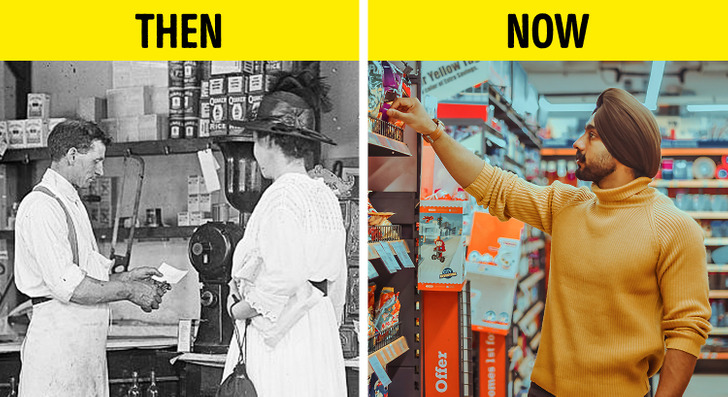
For decades, workplace culture often celebrated long hours, constant availability, and the ability to push through exhaustion. Success was frequently associated with sacrificing personal time, sleeping less, and always being connected.
In many industries, being busy became a badge of honor.
Today, that mindset is steadily changing.
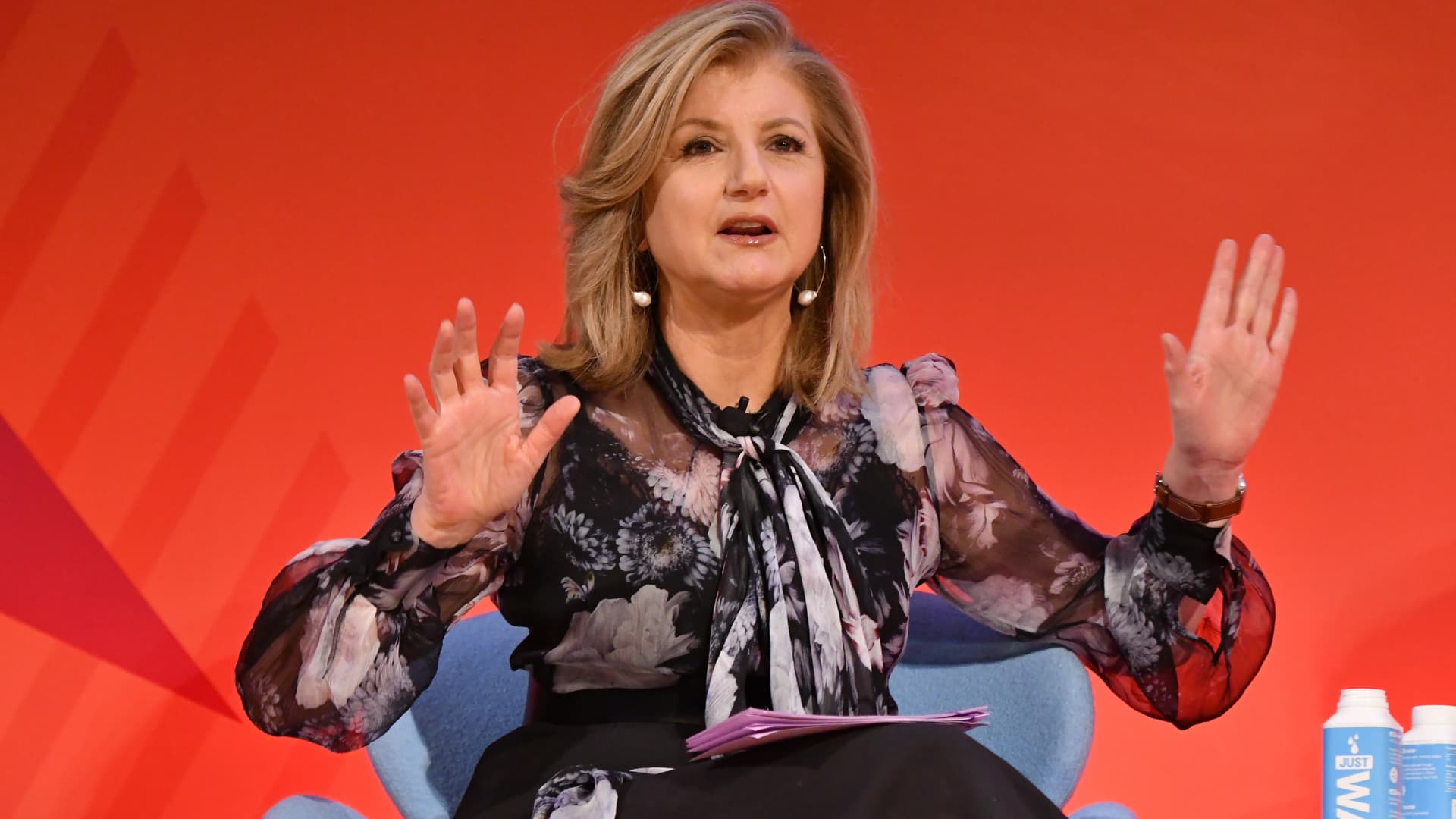
Business leaders, researchers, and workplace well-being advocates have helped reshape the conversation around productivity by challenging the belief that working harder always leads to better results. Among the most influential voices in this movement is Arianna Huffington, whose advocacy for sleep, recovery, and employee well-being has encouraged organizations to rethink how sustainable performance is achieved.
The growing workplace wellness movement has transformed rest from something viewed as personal downtime into a strategic business priority. Companies are increasingly recognizing that employees perform at their best when they have the energy, focus, and resilience to do meaningful work.
The Traditional Culture of Overwork
For much of the 20th century, many workplaces rewarded visibility over sustainability.
Employees were often praised for:
- Working late into the evening
- Responding to emails at all hours
- Taking few vacation days
- Managing increasingly heavy workloads
- Continuing to work despite exhaustion
While dedication and commitment remain valuable, this culture sometimes blurred the line between productivity and overwork.
Long working hours became associated with ambition, even when they resulted in lower-quality work, increased stress, and declining well-being.
Over time, businesses began recognizing that constant pressure can have significant consequences for both employees and organizational performance.
Arianna Huffington’s Shift From Burnout to Advocacy
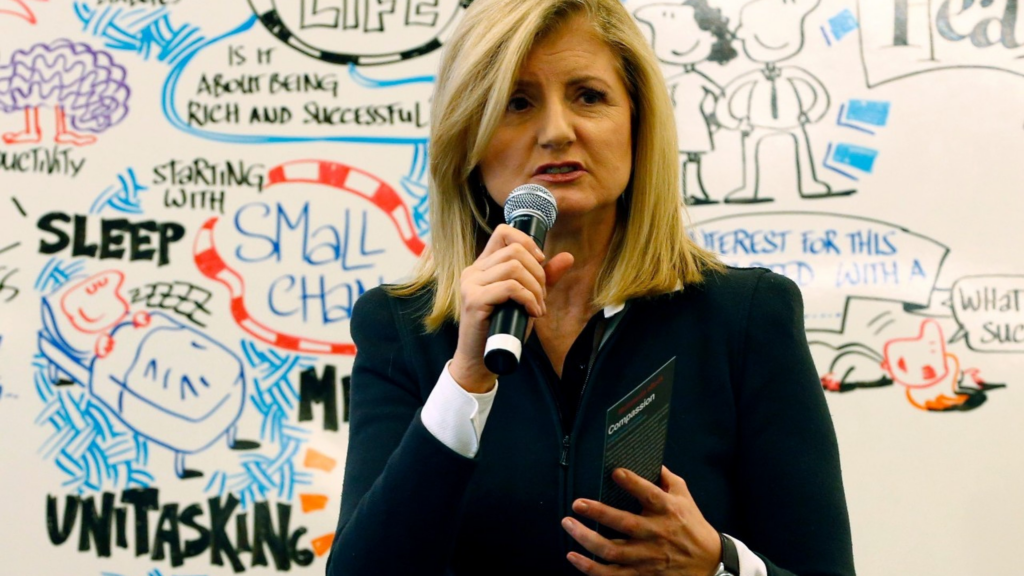
Arianna Huffington’s perspective on workplace wellness was shaped by personal experience.
After experiencing physical exhaustion and burnout during a demanding period of her career, she became a prominent advocate for healthier approaches to work and leadership.
Rather than viewing sleep and recovery as obstacles to success, she argued that they are essential components of high performance.
Her message challenged long-standing assumptions by suggesting that:
- Well-rested employees make better decisions.
- Recovery improves creativity.
- Sustainable performance is more valuable than constant intensity.
- Personal well-being supports professional success.
This perspective resonated with organizations seeking healthier ways to build productive and resilient teams.
The Rise of the Workplace Wellness Movement
While Arianna Huffington became one of the most recognizable advocates for workplace well-being, she is part of a broader movement that has expanded across industries.
Organizations have increasingly begun investing in initiatives that support employees beyond traditional compensation and benefits.
Modern workplace wellness often includes:
- Mental health resources
- Flexible work arrangements
- Employee assistance programs
- Wellness education
- Stress management initiatives
- Opportunities for professional development
The focus has shifted from simply preventing illness to creating environments where employees can thrive.
Why Rest Is More Than Time Away From Work
Rest is often misunderstood as the absence of productivity.
In reality, recovery plays an important role in maintaining long-term performance.
Employees who have opportunities to rest and recharge are often better able to:
- Maintain focus
- Solve complex problems
- Think creatively
- Collaborate effectively
- Adapt to change
Without adequate recovery, sustained performance becomes increasingly difficult.
Organizations are recognizing that energy management may be just as important as time management.
The Business Case for Well-Being

Employee well-being is no longer viewed only as a cultural initiative. It has become an important business consideration.
Companies that support healthier work environments often experience benefits such as:
- Higher employee engagement
- Improved retention
- Better collaboration
- Increased innovation
- Stronger organizational resilience
Employees who feel supported are generally more likely to remain committed to their organization and contribute consistently over time.
Rather than reducing performance expectations, well-being initiatives aim to help employees achieve them more sustainably.
Burnout Changed the Conversation
Growing awareness of burnout has played a significant role in changing workplace priorities.
Burnout is more than occasional stress after a busy week. It can develop when prolonged workplace pressures are not effectively managed.
Common signs may include:
- Emotional exhaustion
- Reduced motivation
- Difficulty concentrating
- Lower job satisfaction
- Feeling disconnected from work
Organizations increasingly recognize that preventing burnout requires more than encouraging employees to “take care of themselves.”
Workplace systems, leadership practices, and organizational culture all influence employee well-being.
Leadership’s Role in Building Sustainable Performance
Managers and leaders have a powerful influence on workplace culture.
In human-centered organizations, leaders increasingly focus on creating environments where employees can perform well without experiencing constant overload.
Effective leadership may include:
Setting Realistic Expectations
Ambitious goals remain important, but expectations should be achievable with available resources and reasonable workloads.
Encouraging Healthy Boundaries
Leaders can model sustainable behavior by respecting personal time, discouraging unnecessary after-hours communication, and supporting time away from work.
Recognizing Effort and Progress
Employees who feel appreciated are often more engaged and motivated.
Recognition helps reinforce positive workplace culture while strengthening employee connections to organizational goals.
Sleep as a Performance Tool
One of the most significant contributions of workplace wellness advocates has been changing how organizations view sleep.
For years, sleeping less was sometimes seen as evidence of commitment.
Today, many businesses understand that adequate rest supports:
- Better concentration
- Stronger decision-making
- Improved communication
- Higher-quality work
- Greater emotional resilience
Rather than viewing sleep as time lost, organizations increasingly recognize it as an investment in sustained performance.
Technology Can Support Well-Being
Technology has contributed to both the challenges and opportunities of modern work.
Constant connectivity can blur boundaries between professional and personal life, making it difficult for employees to disconnect.
At the same time, thoughtful use of technology can improve workplace well-being by:
- Automating repetitive tasks
- Simplifying collaboration
- Supporting flexible work arrangements
- Reducing administrative workloads
- Improving access to information
The goal is to use technology to reduce unnecessary stress rather than increase it.
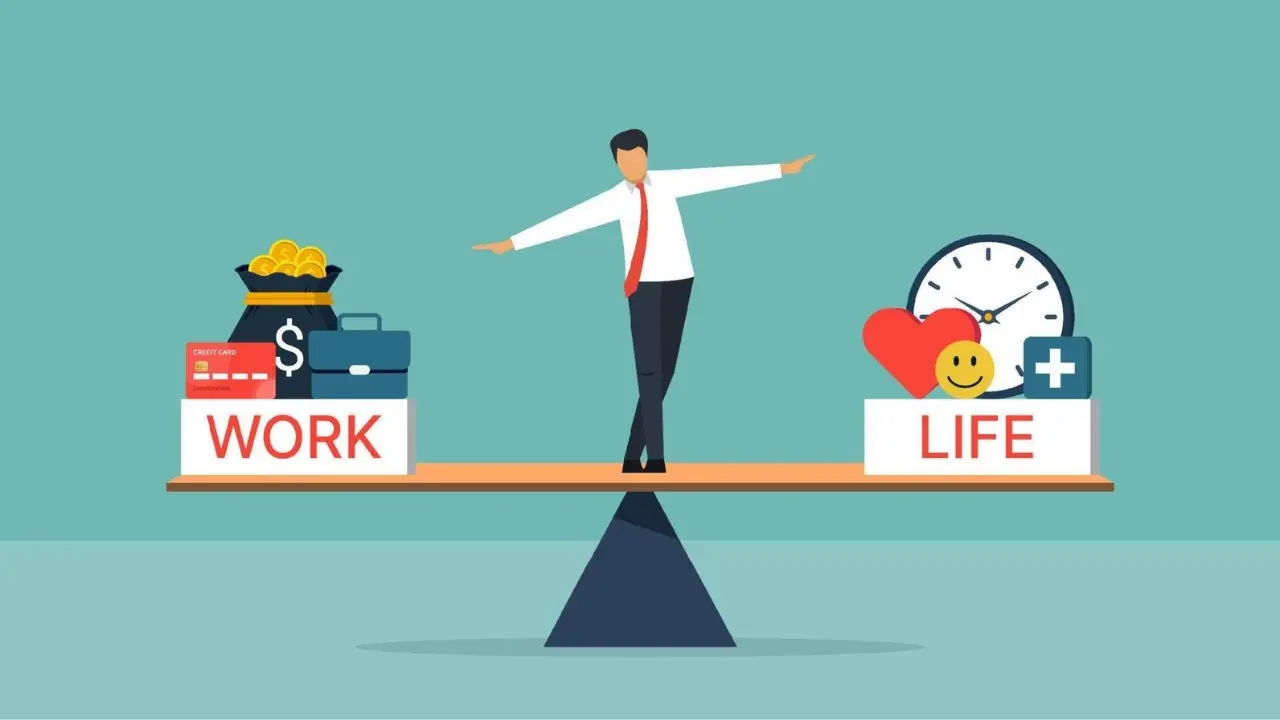
Building a Culture That Supports Balance
Creating healthier workplaces requires more than introducing wellness programs.
It involves building a culture where sustainable performance is encouraged every day.
Organizations can strengthen workplace well-being by:
- Promoting open communication
- Encouraging regular breaks
- Providing flexibility where possible
- Supporting professional development
- Creating psychologically safe environments
- Listening to employee feedback
Small, consistent actions often have a greater impact than occasional wellness initiatives.
Lessons for the Future of Work
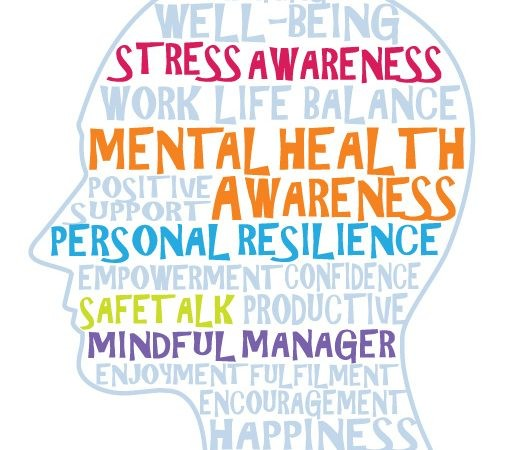
The workplace wellness movement reflects a broader shift in how organizations define success.
Businesses increasingly understand that employees are not simply resources to be managed—they are people whose well-being directly influences innovation, customer experience, and long-term performance.
The future of work will likely place even greater emphasis on:
- Sustainable productivity
- Flexible work environments
- Mental health awareness
- Human-centered leadership
- Purpose-driven organizational culture
As expectations continue to evolve, organizations that invest in employee well-being may be better prepared to attract talent, adapt to change, and build resilient teams.
Rest Is a Competitive Advantage
The growing recognition of rest as a business strategy represents one of the most important cultural shifts in modern work.
Advocates like Arianna Huffington helped move conversations about sleep, burnout, and recovery from personal lifestyle choices into boardrooms and leadership discussions. Their message has encouraged businesses to see well-being not as a distraction from performance, but as one of its strongest foundations.
Organizations that prioritize recovery, healthy leadership, and sustainable work practices are discovering that employees are more engaged, creative, and capable of delivering consistent results over time.
In the future of work, success will not be measured solely by how many hours people spend working. It will also be measured by how effectively organizations help people maintain the energy, resilience, and balance needed to do their best work—for years, not just for today.