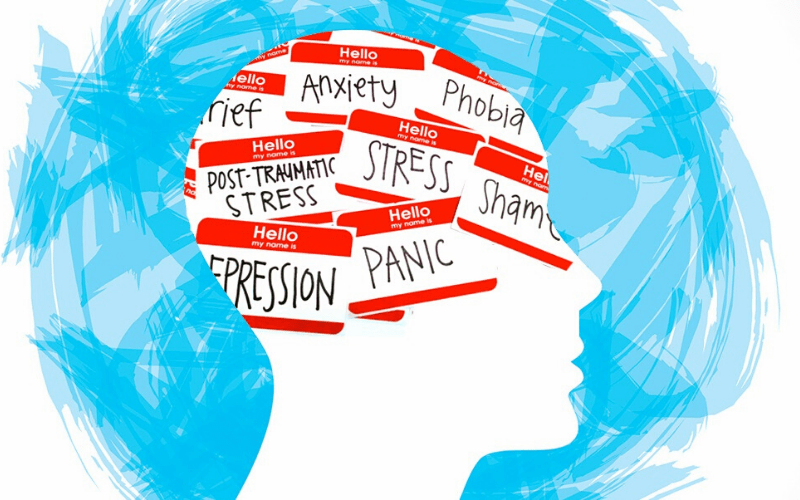
For much of modern business history, mental health was rarely discussed in the workplace. Employees were expected to separate their personal well-being from their professional responsibilities, and conversations about stress, anxiety, depression, or emotional exhaustion were often avoided. Success was frequently associated with resilience, long hours, and the ability to perform under pressure without showing signs of struggle.
Over the past two decades, that perspective has undergone a significant transformation.
Advocates, business leaders, health professionals, and employees have helped bring mental health into the center of workplace conversations. Organizations are increasingly recognizing that supporting mental well-being is not only the right thing to do but also an essential part of building productive, innovative, and sustainable businesses.
The mental health at work movement has changed expectations for employers around the world, redefining corporate responsibility and placing people at the heart of organizational success.
The Workplace Before Mental Health Became a Business Topic
Traditional workplaces often focused almost exclusively on physical safety and operational performance.
Companies invested in:
- Workplace safety procedures
- Professional development
- Performance management
- Financial benefits
- Productivity improvements
While these initiatives were important, emotional well-being received far less attention.
Employees experiencing mental health challenges often faced concerns such as:
- Fear of stigma
- Limited workplace support
- Difficulty discussing stress openly
- Concerns about career progression
- Pressure to appear constantly productive
As a result, many people managed workplace challenges in silence.
The Growing Awareness of Workplace Mental Health

Several factors contributed to changing attitudes toward mental health in professional environments.
Greater public awareness, improved understanding of mental health, and increased advocacy encouraged organizations to recognize that employee well-being directly affects workplace performance.
Businesses began acknowledging that mental health influences:
- Employee engagement
- Collaboration
- Decision-making
- Creativity
- Productivity
- Retention
Rather than viewing mental health as a personal issue outside the workplace, organizations increasingly recognized that workplace culture can either support or undermine employee well-being.
The Role of Advocacy in Changing Workplace Conversations
One of the most significant drivers of change has been advocacy.
Mental health organizations, business leaders, researchers, and employees have worked to reduce stigma by encouraging open conversations about emotional well-being.
These efforts emphasized several important ideas:
- Mental health affects everyone.
- Seeking support demonstrates strength, not weakness.
- Healthy workplaces benefit both employees and businesses.
- Leadership plays an important role in shaping workplace culture.
As more people shared their experiences, discussions about stress, burnout, and psychological well-being became more common in professional settings.
This growing openness encouraged organizations to rethink their responsibilities.
From Employee Benefit to Business Strategy
Many organizations initially approached mental health as an optional employee benefit.
Today, it is increasingly viewed as part of broader business strategy.
Companies recognize that supporting employee well-being contributes to:
- Higher engagement
- Stronger retention
- Better collaboration
- Improved innovation
- Sustainable performance
Healthy employees are often better equipped to solve problems, build relationships, and adapt to changing business environments.
Supporting mental well-being has become closely connected with long-term organizational success.
Burnout Brought New Urgency
Growing awareness of workplace burnout accelerated conversations about mental health.
Burnout can develop when employees experience prolonged workplace stress without sufficient opportunities for recovery or support.
Common signs may include:
- Emotional exhaustion
- Reduced motivation
- Difficulty concentrating
- Increased frustration
- Feeling disconnected from work
Organizations increasingly recognized that burnout is not simply an individual responsibility.
Workplace systems, leadership practices, communication styles, and organizational expectations all contribute to employee well-being.
Preventing burnout requires thoughtful workplace design rather than relying solely on individual resilience.
Mental Health Became Part of Workplace Culture
As conversations evolved, organizations began integrating mental health into everyday workplace practices.
This shift included greater attention to:
- Open communication
- Supportive leadership
- Flexible work arrangements
- Employee assistance programs
- Well-being initiatives
- Respectful workplace culture
Rather than treating mental health as a separate topic, many businesses started considering how every aspect of the employee experience influences well-being.
Culture became as important as individual programs.
Leadership’s Role in Supporting Mental Well-Being
Managers and leaders have significant influence over workplace experiences.
Employees often look to leaders for guidance, communication, and support during periods of uncertainty or increased pressure.
Human-centered leadership involves creating environments where employees feel comfortable discussing challenges without fear of judgment.
Effective leaders often:
Encourage Open Conversations
Employees are more likely to seek support when workplace discussions normalize mental well-being.
Leaders who communicate openly help reduce stigma.
Set Realistic Expectations
Ambitious goals remain important, but workloads should align with available time and resources.
Sustainable performance depends on balancing achievement with recovery.
Lead by Example
When leaders model healthy workplace habits, employees are more likely to feel comfortable doing the same.
Examples include:
- Taking regular breaks
- Respecting personal boundaries
- Using vacation time
- Encouraging flexibility when appropriate
Leadership behavior often shapes organizational culture more effectively than written policies.
Psychological Safety Supports Mental Health
One of the strongest foundations of workplace well-being is psychological safety.
Employees who feel respected and supported are more likely to:
- Ask for help
- Share ideas
- Admit mistakes
- Offer feedback
- Discuss workplace concerns
Psychological safety reduces unnecessary fear and encourages healthier communication throughout the organization.
When employees trust their colleagues and leaders, they are better able to focus on meaningful work rather than protecting themselves from criticism.
Flexibility Changed Expectations
The rise of remote and hybrid work also influenced workplace mental health discussions.
Employees increasingly began valuing:
- Flexible schedules
- Better work-life balance
- Greater autonomy
- Reduced commuting
- Personalized work environments
Organizations discovered that flexibility could improve employee satisfaction while maintaining strong business performance.
Rather than viewing flexibility as a temporary accommodation, many companies now consider it part of a healthier workplace model.
Technology Can Support Well-Being
Digital tools have transformed modern work, bringing both opportunities and challenges.
Technology can contribute to stress through constant notifications and blurred work-life boundaries.
However, when used thoughtfully, it can also improve well-being by:
- Automating repetitive tasks
- Simplifying collaboration
- Supporting flexible work
- Reducing administrative burdens
- Improving access to resources
The goal is not simply to introduce more technology but to use it in ways that make work more manageable and meaningful.
Practical Ways Organizations Can Support Mental Health
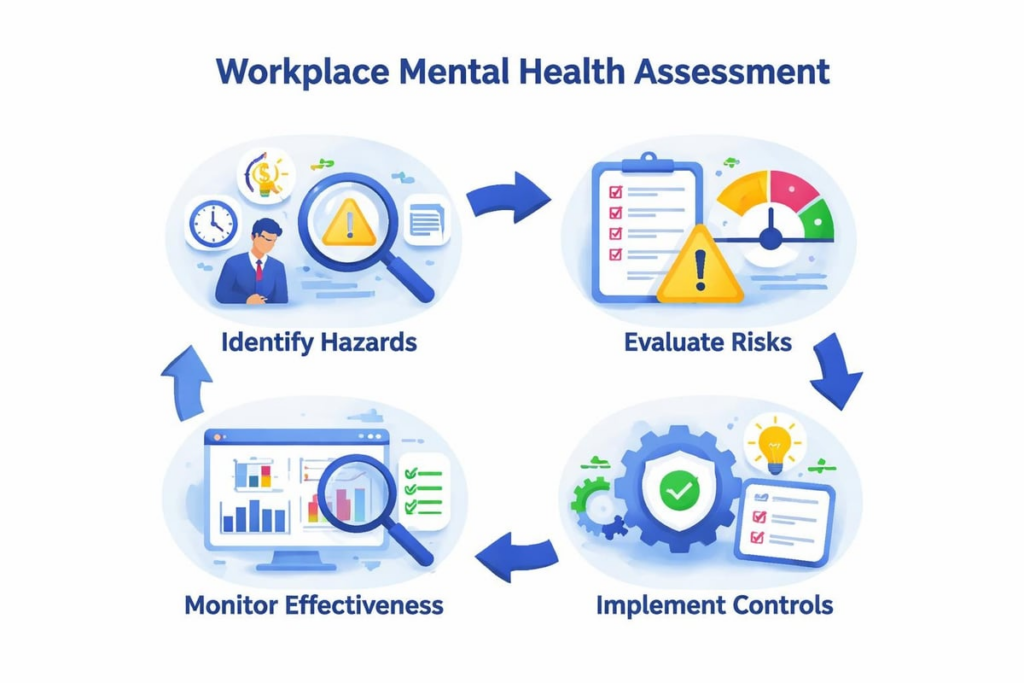
Creating a mentally healthy workplace does not require one large initiative.
Consistent, everyday practices often have the greatest impact.
Organizations can strengthen employee well-being by:
Promoting Open Communication
Encourage respectful conversations where employees feel comfortable discussing workplace challenges.
Providing Manager Training
Equip leaders with the skills to recognize signs of stress, communicate effectively, and support their teams appropriately.
Reviewing Workplace Expectations
Regularly evaluate workloads, meeting schedules, and performance expectations to ensure they remain realistic.
Encouraging Recovery
Support employees in taking breaks, using vacation time, and maintaining healthy boundaries between work and personal life.
Listening to Employee Feedback
Employee surveys, one-on-one conversations, and team discussions help organizations understand evolving workplace needs.
The Future of Corporate Responsibility
Corporate responsibility has expanded beyond financial performance and environmental sustainability.
Increasingly, businesses are expected to create workplaces where employees can succeed without sacrificing their mental well-being.
The future of responsible leadership includes:
- Building inclusive workplace cultures
- Supporting psychological safety
- Encouraging continuous learning
- Investing in employee development
- Prioritizing sustainable performance
Organizations that care for employee well-being are often better positioned to attract talent, retain experienced professionals, and navigate periods of change.
A Healthier Future of Work
The mental health at work movement has fundamentally changed how organizations understand success.
Advocacy helped move conversations about stress, burnout, and emotional well-being from the margins into everyday business discussions. What was once considered a private matter has become a shared responsibility between employees, leaders, and organizations.
Today, mental health is increasingly recognized as an essential part of building workplaces where people can perform at their best while maintaining balance, resilience, and purpose.
As the future of work continues to evolve, companies that invest in supportive leadership, healthy workplace cultures, and employee well-being will be better equipped to foster innovation, strengthen collaboration, and achieve sustainable success.
The most successful organizations of tomorrow will not simply measure performance by results alone. They will also recognize that lasting success depends on creating workplaces where people feel valued, supported, and empowered to thrive.