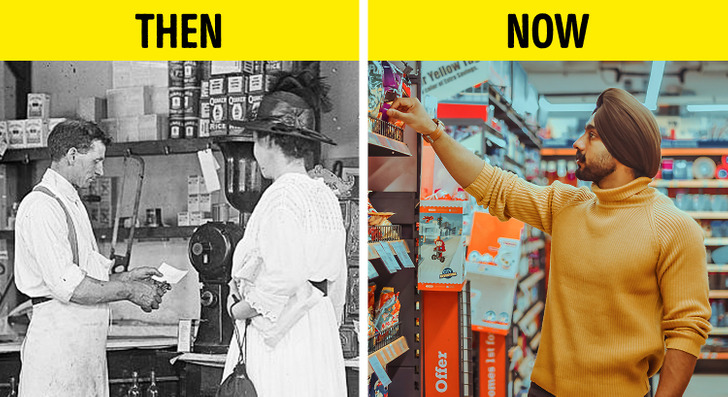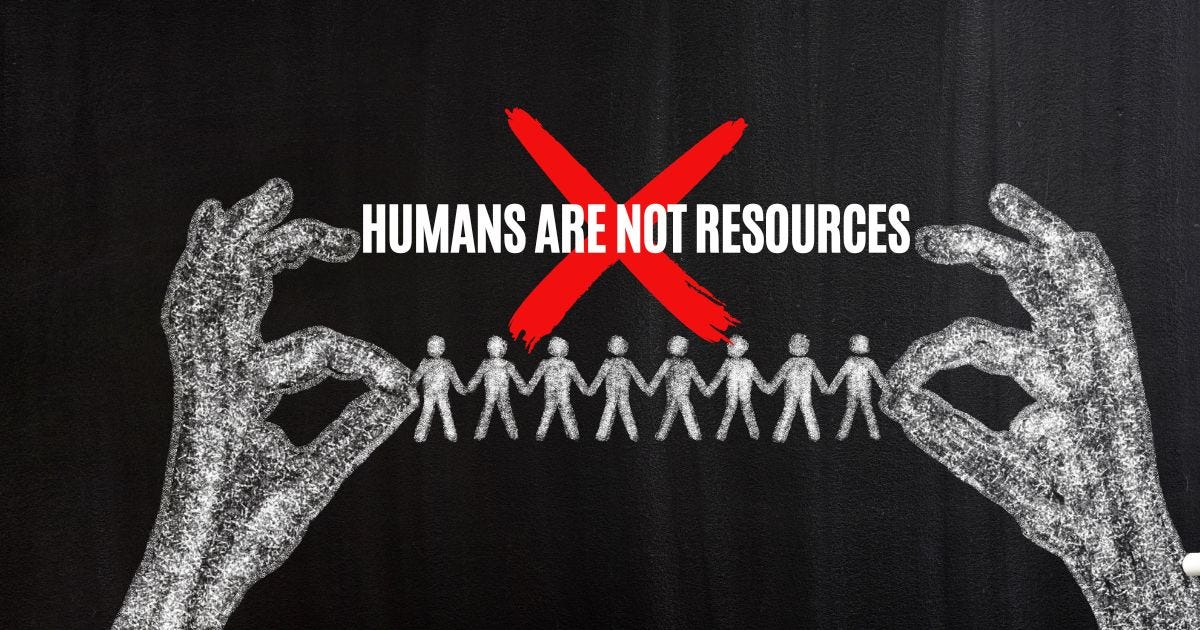
For generations, businesses viewed employees primarily through the lens of productivity. People were hired to perform specific tasks, meet performance targets, and contribute to organizational goals. While many organizations valued their workforce, the language and systems of work often reflected a transactional relationship—employees were frequently referred to as “human resources,” emphasizing their role as one component of a larger business operation.
Today, a new perspective is reshaping the workplace.
Organizations around the world are increasingly recognizing that employees are not simply resources to be managed. They are individuals with unique talents, aspirations, experiences, and personal lives that influence how they work, collaborate, and grow.
This shift has given rise to the employee experience era—a movement that encourages businesses to design workplaces around people rather than expecting people to adapt to rigid workplace systems.
As the future of work continues to evolve, employee experience has become one of the most important drivers of business success.
What Is Employee Experience?
Employee experience refers to the complete journey an individual has with an organization, from the first interaction during recruitment to career development and eventually leaving the company.
It includes every aspect of working life, including:
- Workplace culture
- Leadership
- Communication
- Technology
- Professional development
- Flexibility
- Well-being
- Recognition
- Physical and digital work environments
Rather than focusing on isolated programs or benefits, employee experience considers how employees feel throughout their relationship with an organization.
Every interaction contributes to that experience.
From Human Resources to Human-Centered Workplaces

The traditional role of Human Resources has evolved significantly.
Historically, HR departments focused on administrative responsibilities such as:
- Recruitment
- Payroll
- Benefits administration
- Compliance
- Performance documentation
While these responsibilities remain essential, many organizations have expanded the function to include broader strategic priorities centered on people.
Today’s workplace discussions increasingly focus on:
- Employee engagement
- Workplace culture
- Learning and development
- Psychological safety
- Leadership effectiveness
- Diversity and inclusion
- Employee well-being
The emphasis has shifted from managing employees to helping them succeed.
Why the Shift Is Happening
Several factors have accelerated the move toward employee-centered workplaces.
Changing workforce expectations, rapid technological advances, increased competition for talent, and evolving definitions of success have encouraged organizations to rethink how work is designed.
Employees increasingly value:
- Purposeful work
- Career growth
- Flexibility
- Meaningful relationships
- Supportive leadership
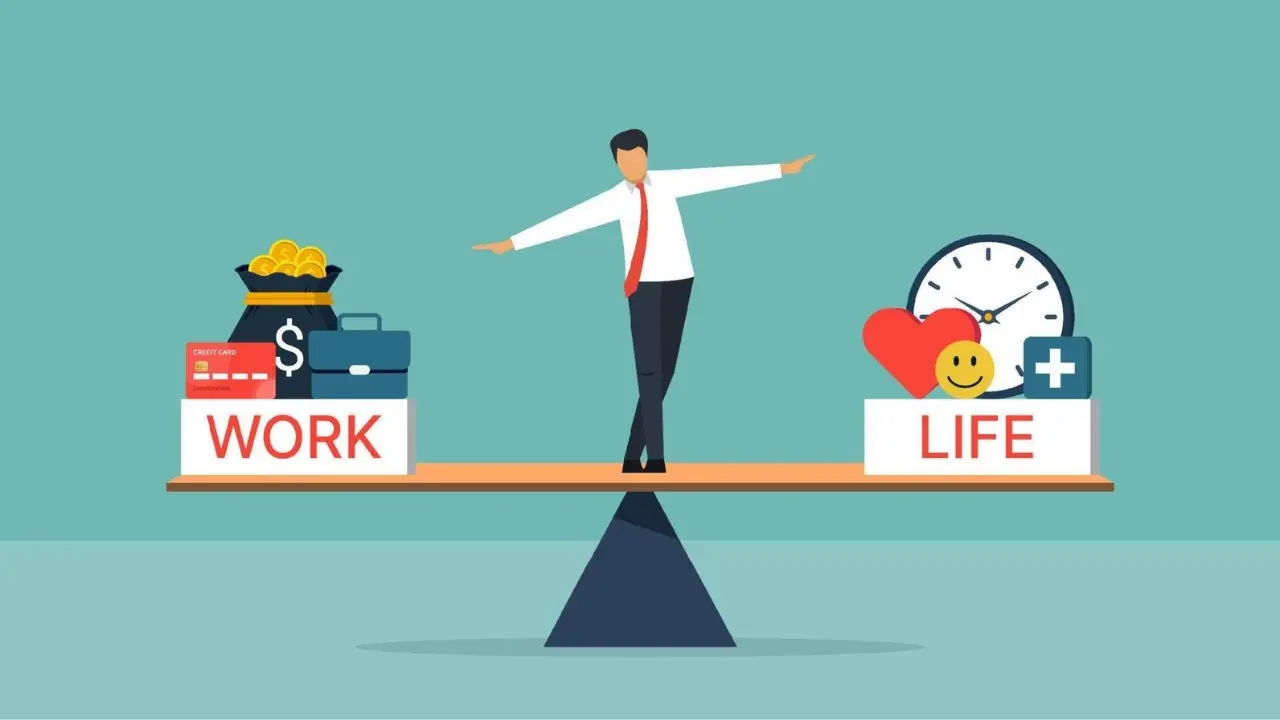
- Healthy work-life balance
Salary remains important, but many professionals now evaluate employers based on the overall experience they provide.
Organizations that understand these changing expectations are often better positioned to attract and retain talented people.
People Perform Better When They Feel Valued
One of the most important lessons from modern workplace research is that employees perform best when they feel respected, trusted, and connected to their work.
Feeling valued can influence:
- Motivation
- Engagement
- Creativity
- Collaboration
- Commitment
- Long-term performance
Employees who believe their contributions matter are often more willing to share ideas, solve problems, and support organizational goals.
Recognition is no longer viewed as an occasional reward—it has become an essential part of workplace culture.
Employee Experience Goes Beyond Perks
When organizations discuss employee experience, the conversation sometimes focuses on visible workplace perks.
While attractive offices, wellness programs, or social events may contribute positively, they are only one part of a much larger picture.
A meaningful employee experience is built through everyday interactions.
Employees notice:
- How leaders communicate
- Whether feedback is encouraged
- How decisions are explained
- Whether workloads are manageable
- How conflicts are handled
- Whether growth opportunities exist
Culture is created through consistent behavior rather than isolated initiatives.
Designing Work Around Human Needs
Human-centered organizations recognize that employees have different strengths, responsibilities, and working styles.
Rather than applying identical solutions to everyone, they seek greater flexibility.
This may include:
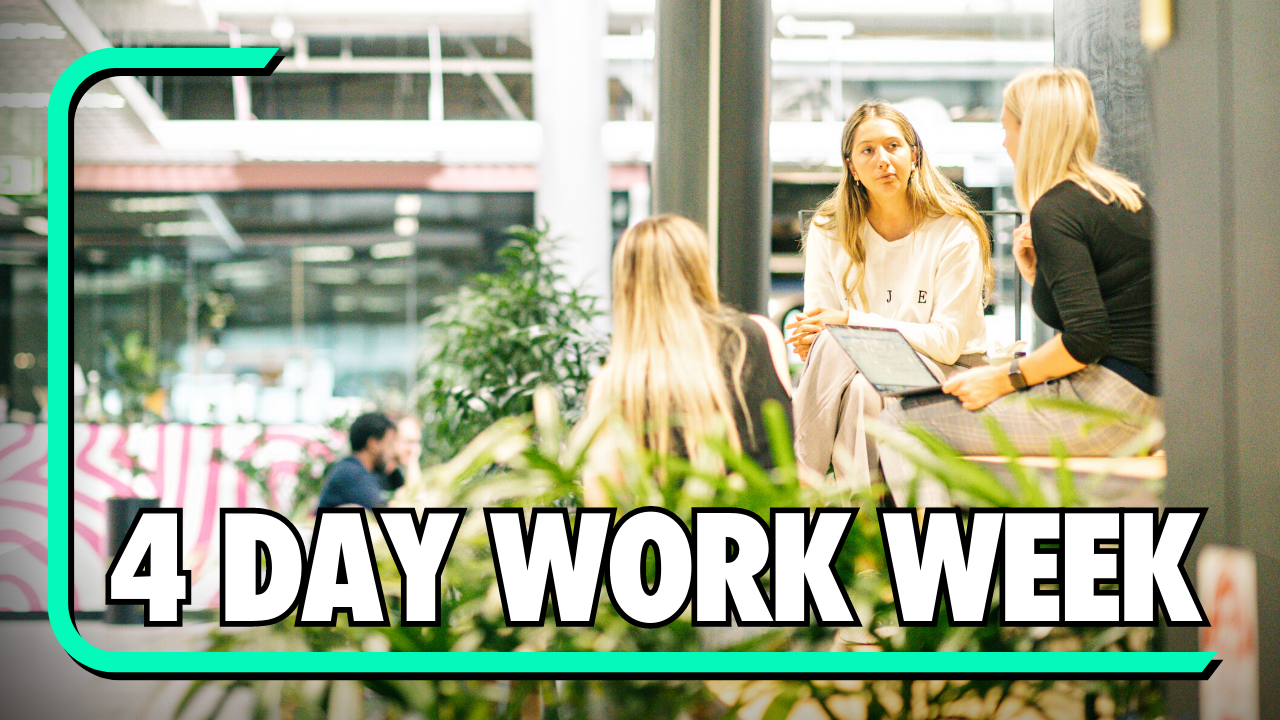
- Flexible schedules
- Hybrid work options
- Personalized learning opportunities
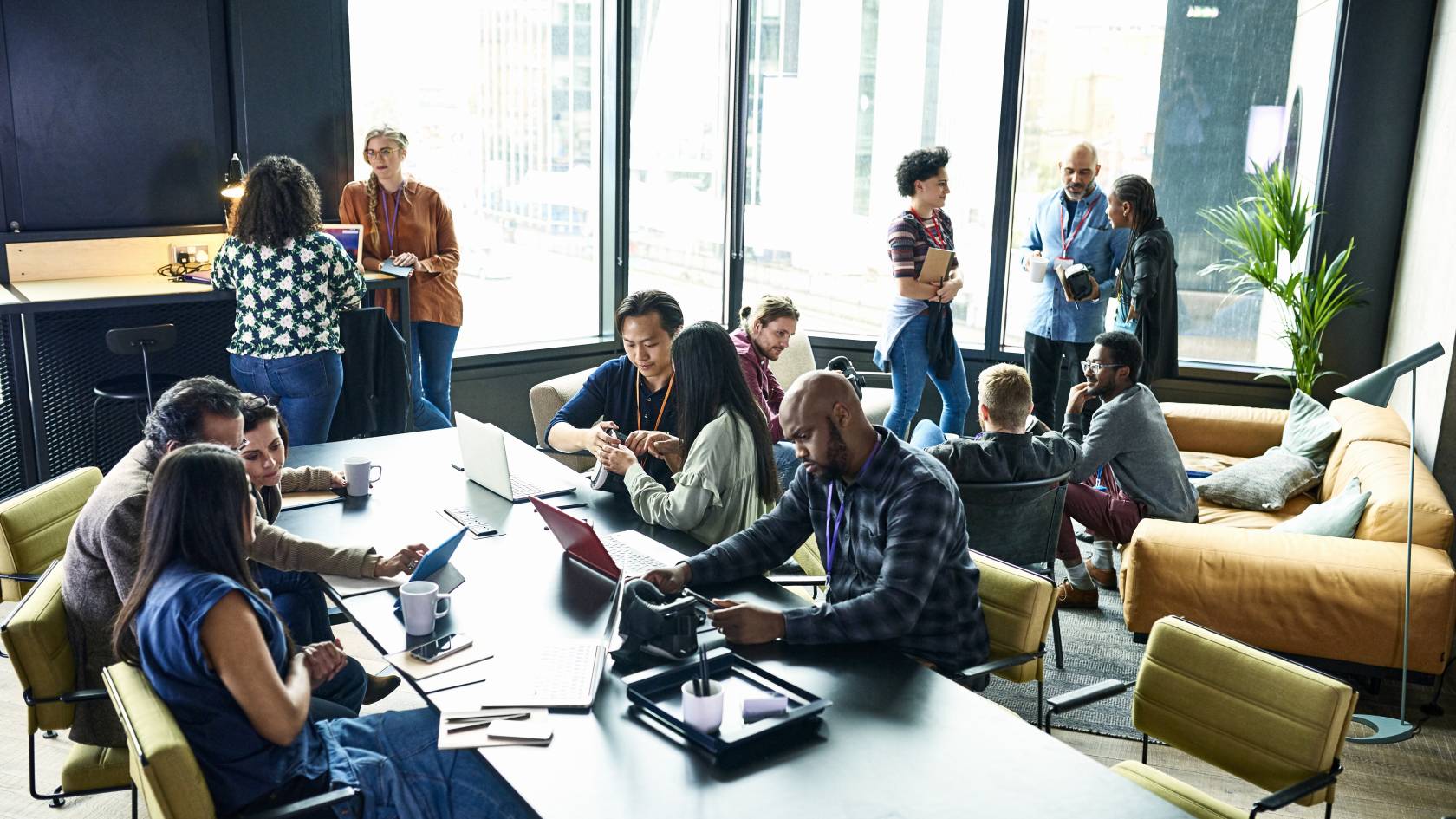
- Different collaboration styles
- Career pathways based on individual goals
Designing work around people does not reduce accountability.
Instead, it creates conditions where employees can contribute more effectively.
The Role of Leadership in Employee Experience

Leadership has one of the greatest influences on how employees experience work.
Managers shape everyday interactions through their communication, decision-making, and support.
Human-centered leaders focus on:
Building Trust
Employees perform more confidently when they feel trusted.
Trust encourages ownership, initiative, and stronger collaboration.
Listening Actively
Employees want to know their ideas and concerns are taken seriously.
Regular conversations help leaders understand challenges before they become larger issues.
Supporting Growth
Professional development is an important part of employee experience.
Leaders who encourage learning help employees prepare for changing responsibilities and future opportunities.
Technology Should Improve the Employee Experience
Technology has transformed nearly every aspect of modern work.
However, organizations are increasingly asking an important question:
Does technology make work better for employees?
Digital tools should simplify work by:
- Reducing repetitive tasks
- Improving communication
- Supporting collaboration
- Automating administrative processes
- Providing easier access to information
When technology creates unnecessary complexity or constant interruptions, it can negatively affect the employee experience.
Successful organizations use technology to support people—not overwhelm them.
Flexibility Is Becoming the New Standard
The employee experience era has also changed expectations around flexibility.
Employees increasingly appreciate workplaces that recognize different ways of working.
Flexible approaches may include:
- Hybrid work models
- Remote work opportunities
- Flexible working hours
- Results-focused performance management
Organizations have learned that flexibility and accountability can exist together.
When employees have greater autonomy, they often demonstrate stronger engagement and responsibility.
Well-Being Is Part of the Employee Experience
Modern workplaces increasingly recognize that professional performance and personal well-being are closely connected.
Supporting employee well-being involves more than offering wellness programs.
It includes creating environments where employees can:
- Manage realistic workloads
- Maintain healthy boundaries
- Access support when needed
- Feel psychologically safe
- Balance work with personal responsibilities
Well-being strengthens long-term productivity rather than reducing it.
Healthy employees are often more resilient, creative, and collaborative.
Building a Workplace People Want to Join and Stay In
Organizations seeking to improve employee experience can begin with practical changes.
Create Clear Communication
Employees perform better when expectations, priorities, and organizational goals are transparent.
Consistent communication builds trust.
Encourage Feedback
Invite employees to share ideas and suggestions regularly.
Listening demonstrates respect and helps organizations improve continuously.
Recognize Contributions
Celebrate achievements, collaboration, and progress—not just final results.
Recognition strengthens motivation and workplace culture.
Invest in Development
Provide opportunities for learning, mentorship, and career advancement.
Employees who continue growing are more likely to remain engaged.
Design Inclusive Workplaces
Ensure employees from different backgrounds and perspectives feel welcomed, respected, and able to contribute fully.
Inclusive cultures create stronger teams and better decision-making.
The Business Benefits of a Strong Employee Experience
Organizations that prioritize employee experience often see improvements across multiple areas.
Potential benefits include:
- Higher employee retention
- Greater engagement
- Improved collaboration
- Increased innovation
- Stronger customer experiences
- Better organizational resilience
Employees who enjoy positive workplace experiences are more likely to contribute consistently and support long-term business goals.
In many organizations, employee experience has become a competitive advantage.
The Future of Work Starts With People
The evolution from “human resources” to employee experience reflects a broader change in how organizations understand work.
People are no longer viewed simply as resources that support business operations. They are partners in creating innovation, serving customers, solving problems, and shaping organizational culture.
The future of work belongs to businesses that recognize employees as whole individuals—with ambitions, talents, challenges, and ideas that deserve thoughtful support.
Technology, workplace design, and leadership will continue evolving, but the most successful organizations will remember one essential principle: businesses grow when people grow.
Creating Workplaces Where People Thrive
The rise of the employee experience era marks an important milestone in the evolution of modern work. Organizations are increasingly moving beyond transactional employment relationships toward workplaces built on trust, flexibility, meaningful development, and shared purpose.
By designing work around human needs rather than expecting people to fit outdated systems, businesses create environments where employees feel valued, engaged, and empowered to do their best work.
In the future of work, treating employees as humans—not simply resources—is more than a cultural aspiration. It is a strategic approach that strengthens innovation, improves organizational performance, and builds workplaces where both people and businesses can thrive together.